
GURGAON’S TRANSFORMATION: FROM VILLAGE TO “MILLENNIUM CITY”
Gurgaon’s Transformation: From Village to “Millennium City”
Gurgaon, now known as Gurugram, has experienced an extraordinary transformation over the last few decades. Once a modest village on the outskirts of Delhi, it has evolved into one of India’s most dynamic urban centers. Dubbed the “Millennium City,” Gurgaon’s journey from a sleepy rural area to a modern metropolis is a story of rapid change, ambition, and growth.
The Humble Beginnings
Historically, Gurgaon was a small village located approximately 30 kilometers south of Delhi. It was primarily an agricultural area, with a rich cultural heritage. The name “Gurgaon” is believed to have been derived from ‘Guru’ (referring to Guru Dronacharya of Mahabharata fame) and ‘Gram’ (meaning village). For many years, it remained a quiet, underdeveloped region, far from the urbanization that was sweeping across other parts of India.
The Catalyst for Change: The 1990s Economic Reforms
The transformation of Gurgaon began in the 1990s, when India underwent significant economic liberalization. As the country opened its doors to foreign investments and embraced globalization, Gurgaon found itself in a prime location to capitalize on these changes. The development of the National Capital Region (NCR) further contributed to the city’s rapid growth. In 1997, the Haryana Urban Development Authority (HUDA) began efforts to modernize the area, setting the stage for the development of a thriving urban center. This period marked the beginning of Gurgaon’s rapid expansion as a commercial hub.
Building Infrastructure for Growth
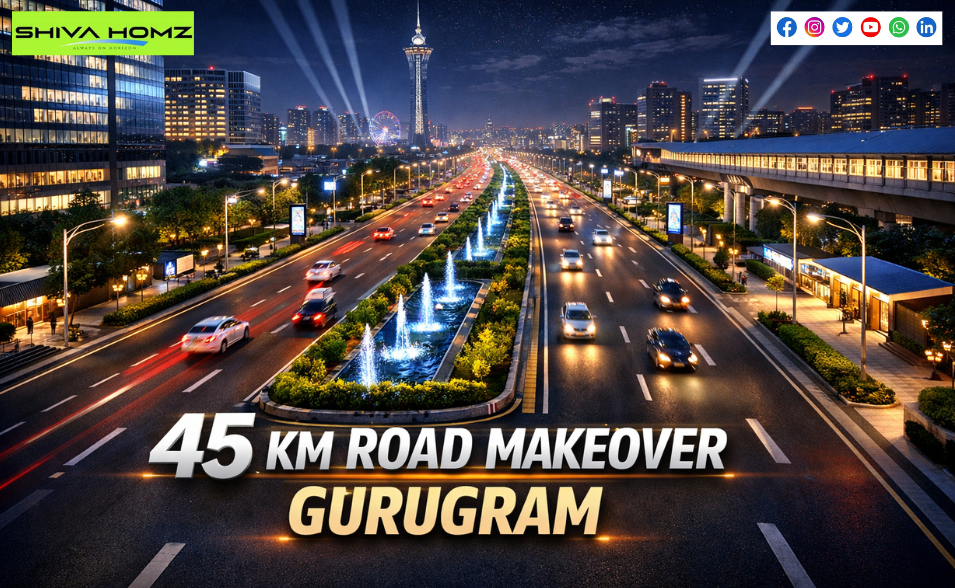
One of the driving forces behind Gurgaon’s transformation has been its development of world-class infrastructure. The construction of modern highways, flyovers, and an improved transportation system facilitated easier connectivity, especially to Delhi. The Gurgaon-Delhi expressway, in particular, drastically reduced travel time, making the city a highly attractive location for businesses and professionals.
Alongside infrastructure improvements, the city saw a surge in the construction of residential complexes, office buildings, and shopping malls. High-rise towers and luxury residential projects began to reshape the skyline, attracting investment and talent from across the country and abroad. Landmarks like DLF Cyber Hub and the Kingdom of Dreams epitomize the city’s modern character.
Gurgaon: A Hub of Commercial Activity
Today, Gurgaon is one of India’s leading financial and industrial hubs, home to numerous multinational corporations (MNCs), especially in the fields of IT, outsourcing, and finance. The presence of global companies has turned the city into a magnet for professionals seeking career opportunities, which has, in turn, driven the growth of a thriving real estate market.
The city’s status as a commercial powerhouse is also evident in its expanding retail, hospitality, and manufacturing sectors. Gurgaon has become an integral part of India’s economic landscape, offering numerous business opportunities and contributing significantly to the country’s GDP.
A Melting Pot of Cultures
As businesses and professionals from across India and the globe have flocked to Gurgaon, the city has become a vibrant, multicultural melting pot. This diversity is reflected in the city’s social life, with a wide variety of restaurants, cultural events, entertainment options, and shopping experiences. Gurgaon’s cosmopolitan atmosphere attracts people from all walks of life, contributing to its dynamic and ever-evolving social fabric.
Urban Challenges and Sustainability Concerns
However, the rapid growth of Gurgaon has also come with challenges. Issues such as traffic congestion, water shortages, pollution, and waste management have strained the city’s infrastructure. Despite these challenges, there has been a growing effort to tackle these problems through urban planning, sustainability initiatives, and the development of smart city solutions.
The focus on sustainable urbanization, improved public transport, and green initiatives has become a key priority for the city’s future. The aim is to strike a balance between continued growth and environmental preservation, ensuring that Gurgaon remains a livable, vibrant city for generations to come.
The Future Vision: Smart, Sustainable Growth
As Gurgaon looks to the future, its vision is clear: to continue expanding while prioritizing sustainability and innovation. The city is embracing smart city technologies to improve urban living, from waste management to energy-efficient buildings. Real estate projects now emphasize green spaces, renewable energy, and better infrastructure to ensure a high quality of life for residents.
Conclusion
Gurgaon’s journey from a quiet village to a thriving “Millennium City” is a remarkable testament to India’s rapid urbanization and economic growth. From its humble agricultural beginnings to its current status as one of the country’s leading business hubs, Gurgaon’s transformation is a reflection of India’s ambitious vision for the 21st century.
At Shiva Homz, we are proud to be part of this vibrant growth, contributing to the city’s development through high-quality real estate projects that cater to the evolving needs of its residents and businesses. With a continued focus on sustainability, infrastructure, and innovation, Gurgaon’s future looks bright and promising.